
Engineered Systems
Window-Type
Robot Isolation System
Flexible Separation Between Robot and Process Zone
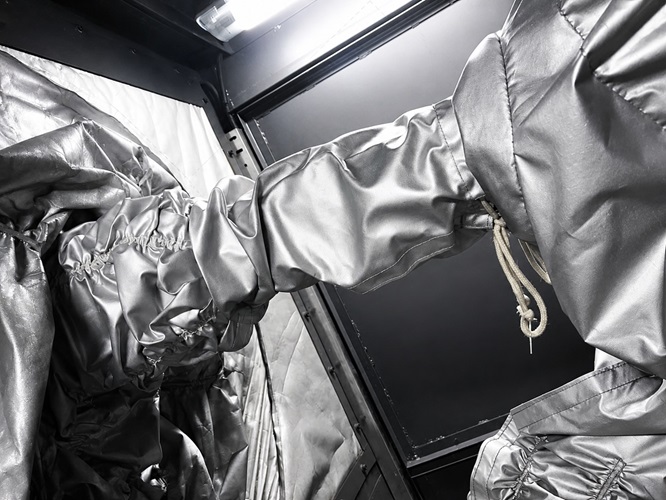
Custom-engineered flexible isolation systems allow industrial robots to operate
across enclosed process zones while helping protect the robot body and
surrounding equipment from abrasive media, dust and process contamination.
Flexible Isolation · Motion Adapted · Custom-Engineered
Contained Process Zone
Helps keep abrasive media and process contamination within the enclosed working area.
Flexible Interface
Maintains separation while accommodating multi-axis robot movement.
Protected Robot Area
Reduces unnecessary exposure of the robot body and surrounding equipment.
Process Zone
→
Flexible Interface
→
Robot Area
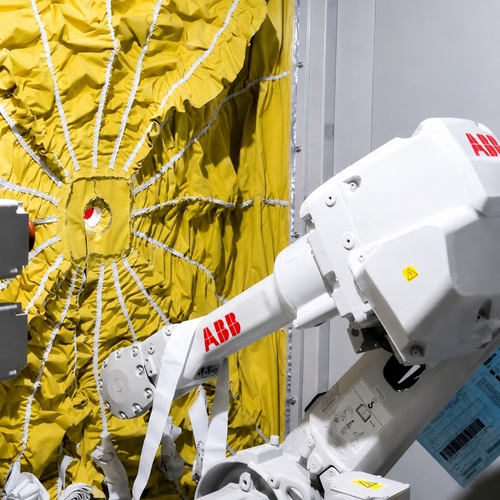
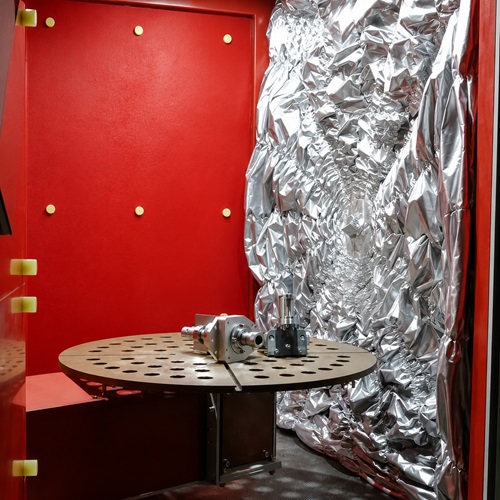
Flexible by Design
A robot isolation screen must do more than close an opening. It must accommodate complex robotic movement without unnecessarily restricting the working envelope.
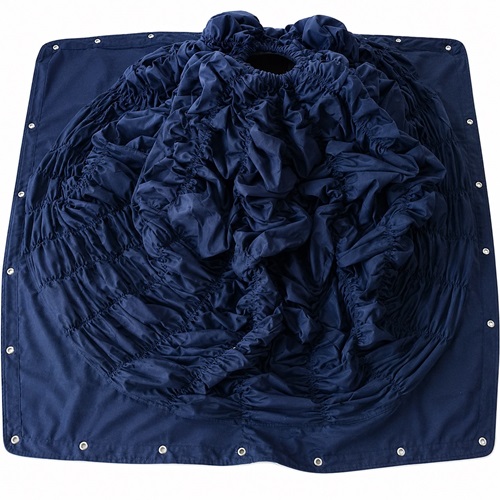
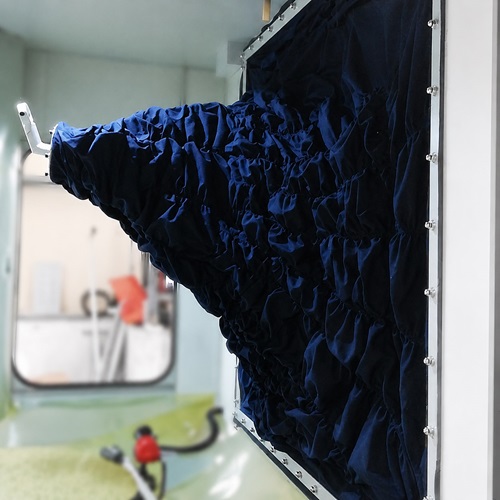
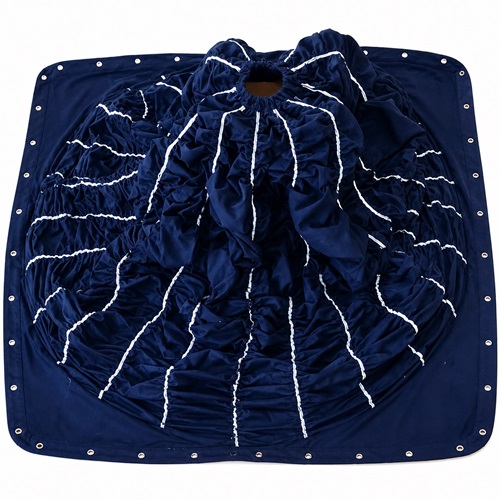
Gathered Motion Zones
Strategically distributed fabric reserves
expand and contract with robot movement.
Robot Interface
The central opening is designed around
the robot geometry and required range of motion.
Reinforced Perimeter
The reinforced perimeter provides secure
attachment to the process chamber and supports straightforward installation and replacement.
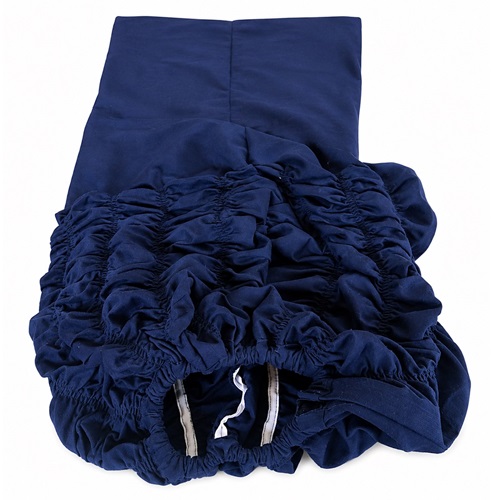
Materials Selected for the Actual Process
There is no single material for every isolation system.
Fabric construction and surface properties are selected according to the actual process environment, exposure level and required service life.
√
Abrasion Resistance
For continuous contact with abrasive particles and mechanical wear.
√
Dust & Particle Protection
Helps reduce the migration of blasting media and fine process dust.
√
Optional Water & Moisture Resistance
Coated materials can be selected where wet processes, moisture or frequent
cleaning are involved.
√
Mechanical Strength
Materials and reinforced construction are selected for repeated robotic movement.
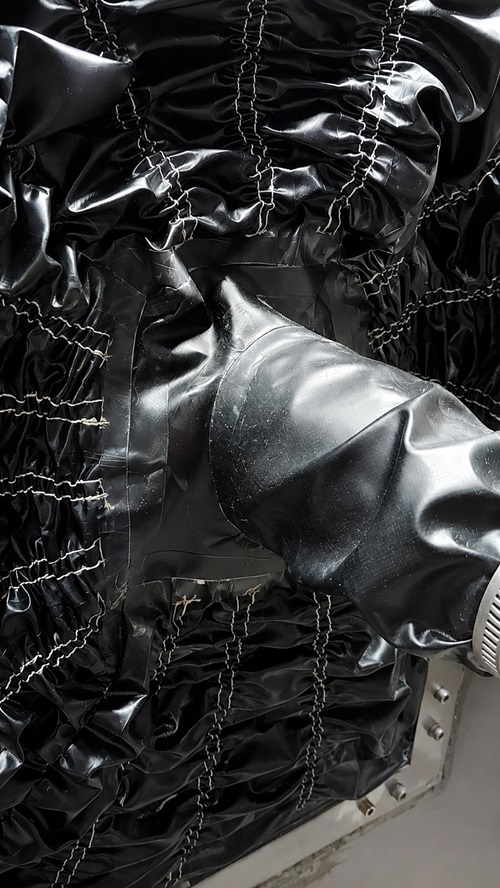
Designed for Harsh Blasting Environments
SANDBLASTING
Abrasive Blasting
Flexible isolation helps separate high concentrations of abrasive dust and rebounding blasting media from the robot body and surrounding equipment.
SHOT BLASTING
Heavy-Duty Surface Treatment
Robust screen constructions can be engineered for environments involving rebounding blasting media, abrasive particles and severe mechanical wear.
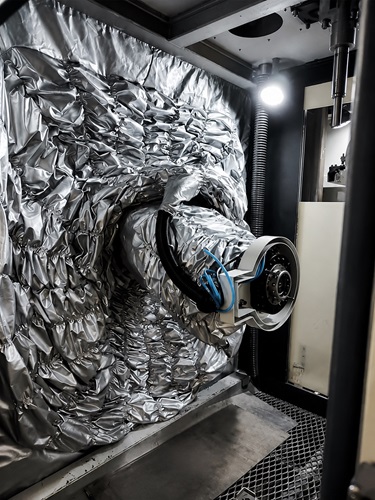
Typical Protection Requirements
· Abrasive Dust · Blasting Media · Particle Rebound · Severe Abrasion
One Concept. Different Configurations.
Every system is engineered around the actual robot, process cell and exposure conditions.
FABRIC SCREEN
Flexible high-strength construction for dry abrasive environments.
COATED SCREEN
Surface-coated construction for applications requiring additional moisture or contamination resistance.
ROBOT-SPECIFIC INTERFACE
Interface geometry adapted to the robot, process chamber and required movement.
What We Need From You
01
ROBOT INFORMATION
Brand, model and configuration
02
PROCESS & ENVIRONMENT
Sandblasting, shot blasting or other enclosed process
03
CELL & WINDOW INFORMATION
Photos, opening dimensions, drawings and available technical data
04
ROBOT MOVEMENT
Working position, required reach and available motion data
Not all information available? No problem.
Send us what you have, and we can clarify the remaining technical details together.
ENGINEERED SYSTEMS
Need to Isolate a Robot From the Process Environment?
Tell us about your robot, process cell and operating conditions. We can evaluate a suitable flexible isolation concept for your application.
Custom-engineered protective solutions
for industrial robots, end-of-arm tooling
and related equipment.
√ Application-Based Engineering
√ Custom-Fit Protection
√ From Concept to Production
Billrothstraße 2A-5-34,
1190 Vienna, Austria
Tel: +43 660 5657968
© 2026 EMEDEN. All Rights Reserved. | ROBCARE™